Dementia-friendly environments: simple, high-impact changes at home or in facilities

Creating dementia-friendly environments does not always require major renovations. Small, targeted changes to lighting, signage, noise, and everyday routines can reduce confusion, maintain independence, and improve wellbeing for people living with dementia—whether at home, in care homes, hospitals, or community spaces. Evidence-based design principles highlight safety, familiarity, clear wayfinding, and the right level of sensory […]
Understanding and Combating Stigma: A Guide to Dignified Language

Stigma, particularly in the context of dementia, is a pervasive issue that affects individuals and their families on multiple levels. It is crucial to understand that the language we use can either perpetuate stigma or help dismantle it. Stigma often arises from myths and misconceptions, which are false beliefs and opinions about issues like dementia. […]
Translating the Integrated Model into Practice: A 2026 Focus on Dementia Care
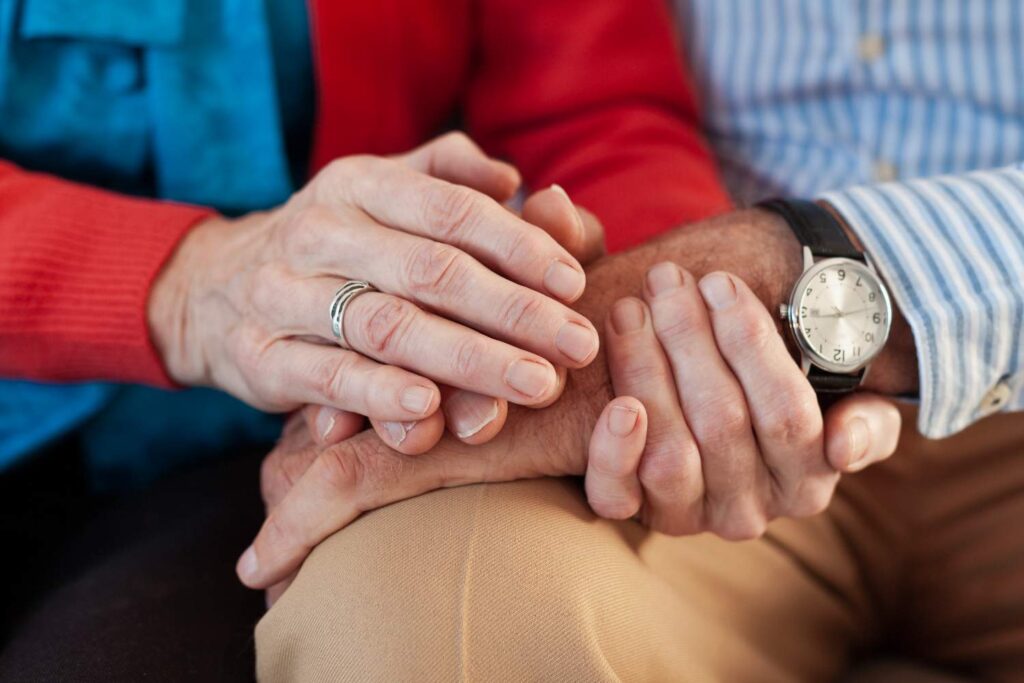
The Care4Elders project is poised to make significant strides in the realm of dementia care, particularly through the implementation of pilot programs designed to translate the integrated care model into practice. These pilots are set to enhance the early detection and coordination of care for older adults living with dementia, a crucial step in addressing […]
Unveiling the Framework Analysis of WP2: A Milestone in Dementia Care

Care4Elders, co-funded by the European Union, has reached a major milestone: the successful completion of Work Package 2 (WP2). This pivotal phase set out to pinpoint professional training needs and contextual challenges in dementia care, laying the groundwork for the entire project. The insights from WP2 are already shaping an evidence-based EU Handbook on dementia […]
Newsletter #1
