In the rapidly evolving landscape of healthcare, digital tools are playing an increasingly pivotal role in supporting both learning and care, particularly in the realm of dementia care. Our project is striving to be at the forefront of this transformation, piloting innovative digital educational solutions to enhance the knowledge level of caregivers. This article further explores the significance of the broader implications for technology adoption and digital inclusion.
The Role of Digital Tools in Dementia Care
Digital tools offer a multitude of benefits in dementia care, from facilitating early detection and diagnosis to providing ongoing support and engagement for patients and caregivers. The Care4Elders project emphasizes the integration of digital methods to prevent, detect, and treat dementia, aligning with the EU’s “Healthier Together” Non-Communicable Diseases (NCD) Initiative. These tools are not intended to replace human interaction but to complement it, enhancing the person-centered care model that is central to the project’s objectives.
What are the innovative solutions:
- E-Learning Platforms
These platforms provide training for healthcare professionals and caregivers, focusing on dementia care best practices and digital literacy. The goal is to upskill the workforce, ensuring they are equipped to utilize digital tools effectively. - Decision Aids
Tools that assist in clinical decision-making, helping caregivers and healthcare professionals make informed choices about patient care. These aids are designed to be intuitive and accessible, reducing the cognitive load on users. - Cognitive Stimulation Apps
Applications that engage patients in activities designed to stimulate cognitive function and delay the progression of dementia symptoms. These apps are tailored to individual needs, promoting autonomy and engagement.
Technology Adoption and Digital Inclusion
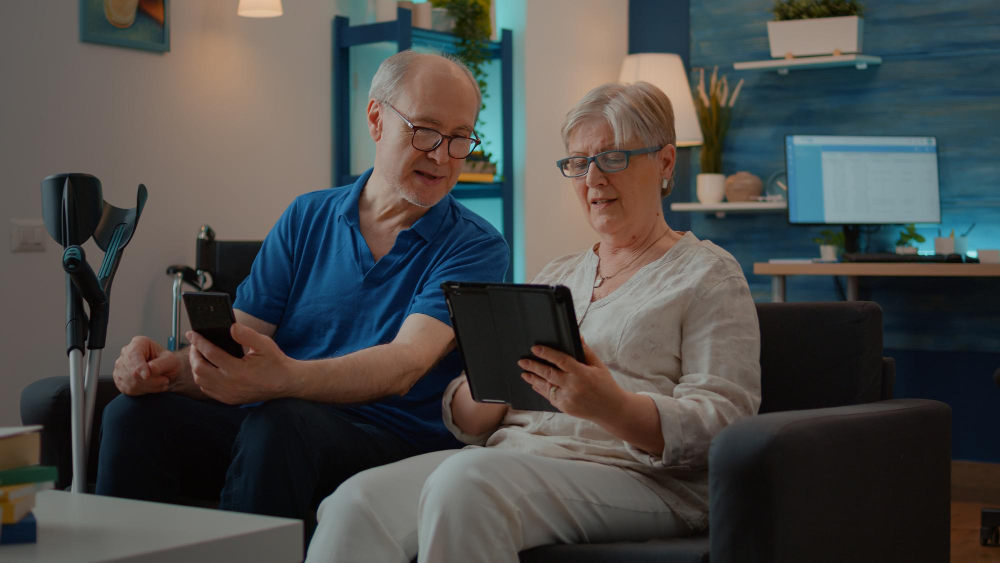
A key challenge in the adoption of digital tools is ensuring digital inclusion, particularly for older adults who may have limited digital literacy. We address this by incorporating training modules that focus on building digital competencies among both caregivers and patients. Additionally, the project emphasizes the importance of designing tools that are user-friendly and accessible, reducing barriers to adoption.
The integration of digital tools in dementia care has the potential to transform the landscape of elderly care, offering more personalized and efficient solutions. We are hoping to help pave the way for broader implementation across Europe, contributing to the reduction of health inequalities and the enhancement of care quality.
#Care4Elders #DigitalHealth #Innovation #EU4Health
For more information on innovative digital health tools supporting Alzheimer’s and dementia patients, visit this article. Additionally, explore insights on navigating technology tools and apps for dementia care here.